
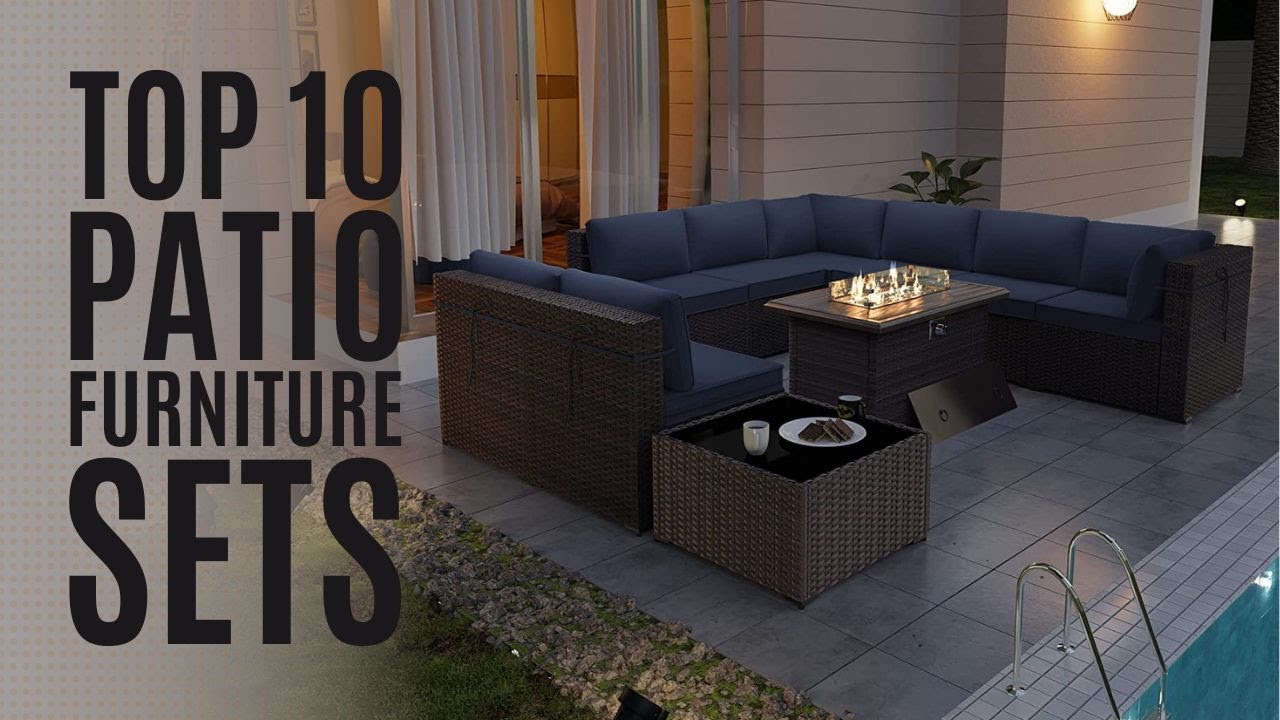
As extra individuals and family members become aware of their environmental footprint, the demand for environmentally friendly outdoor garden furnishings has actually surged. Choosing lasting alternatives not just contributes to a healthier world yet additionally boosts the beauty and performance of outdoor spaces. In this blog site, we will certainly compare various types of environmentally friendly outdoor garden furniture, exploring their products, toughness, comfort, looks, maintenance needs, cost-effectiveness, and overall ecological effect. This comparison intends to aid you make an enlightened decision concerning your following garden furniture investment.
Table of Contents
Materials Used Durability and Longevity Comfort and Ergonomics Aesthetic Appeal Maintenance Requirements Cost-Effectiveness Environmental Impact1. Products Used
The sort of materials used in outdoor yard furnishings is just one of the most substantial factors affecting sustainability. Below's a picture contrast:
|Product|Summary|Sustainability Ranking|| --------------------|---------------------------------------|------------------------|| Recycled Plastic|Made from post-consumer plastics|High|| Bamboo|Fast-growing yard; sustainable source|Extremely High|| Teak|Durable wood; requires accountable sourcing|Medium|| Light weight aluminum|Light-weight steel; recyclable|High|| Compound Wood|Combination of wood fibers and recycled plastic|Tool to High|
Analysis
- Recycled Plastic: Offers a high sustainability rating as it draws away waste from landfills. Bamboo: Fast growth makes it a superb sustainable material. Teak: While sturdy, its sourcing can contribute to logging otherwise managed properly. Aluminum: Its recyclability includes in its eco-friendliness. Composite Wood: Provides durability yet might consist of chemicals that can minimize its total sustainability.
2. Toughness and Longevity
When investing in outdoor furnishings, durability is vital to guaranteeing your acquisition lasts through different weather conditions.
Comparison Points
- Recycled Plastic: Very resistant to fading and cracking; no maintenance required. Bamboo: Durable with correct therapy but can be vulnerable to moisture damages if untreated. Teak: Known for its natural oils that withstand water; lasts for decades with marginal care. Aluminum: Rust-resistant and light-weight; extremely sturdy under outdoor conditions. Composite Wood: While generally weather-resistant, it can experience deforming with time compared to strong timber options.
Conclusion
If longevity is your key concern, teak or recycled plastic are top challengers because of their resistance to weathering.
3. Convenience and Ergonomics
Comfort plays a vital function in selecting outdoor furnishings considering that it determines just how much you appreciate your time invested outside.
Comfort Ratings
- Recycled Plastic: Frequently designed ergonomically yet can really feel much less comfortable without cushions. Bamboo: Normally uses great assistance yet might need cushions for added comfort. Teak: Naturally contours well for seating; typically located in comfy designs. Aluminum: Can be lightweight however may do not have the encouraging framework unless developed well. Composite Wood: Usually supplies decent comfort; frequently paired with cushions.
Summary
For maximum convenience, search for ergonomic designs in teak or supported options in composite wood.
4. Aesthetic Appeal
The aesthetic allure of your outdoor area heavily depends on the design of furniture you choose.
Visual Comparison
|Product|Style Options|General Visual Score|| --------------------|---------------------------------------|--------------------------|| Recycled Plastic|Restricted layout options|Medium|| Bamboo|All-natural appearance; blends well with nature|High|| Teak|Classic elegance; classic design|Extremely High|| Aluminum|Smooth modern-day look|High|| Compound Wood|Can resemble timber look|Medium|
Insights
Teak sticks out as the most cosmetically pleasing selection for those seeking standard appeal, while bamboo provides a rustic beauty that matches natural settings.
5. Maintenance Requirements
Understanding the upkeep requires associated with each material assists establish long-lasting ease and costs.
Maintenance Overview
- Recycled Plastic: Essentially maintenance-free; just calls for occasional cleaning. Bamboo: Needs routine securing or treatment to prevent dampness damage. Teak: Calls for periodic oiling for preservation yet typically reduced maintenance if left neglected (turns gray). Aluminum: Minimal maintenance called for; periodic cleansing is sufficient. Composite Wood: Routine cleansing needed to maintain appearance; may call for securing depending upon the product quality.
Recommendation
For those looking for low-maintenance https://canvas.instructure.com/eportfolios/3265833/finnodtu822/Glass_Animals_An_Unique_and_Whimsical_Gift_Idea alternatives, recycled plastic or aluminum are perfect choices.
6. Cost-Effectiveness
Evaluating the cost-effectiveness encompasses ahead of time prices along with long-term worth pertaining to longevity and upkeep requirements.
Price Comparison Chart
|Material|Ordinary Cost Variety (USD)|Durability (Years)|| --------------------|-------------------------------------|----------------------|| Recycled Plastic|$200 - $600|25+|| Bamboo|$150 - $400|10 - 15|| Teak|$300 - $1,500|50+|| Light weight aluminum|$200 - $800|20+|| Compound Wood|$150 - $500|15 - 20|
Cost Insights
While ahead of time prices might differ considerably in between materials like teak and recycled plastic, take into consideration long-lasting worth when making your choice-- teak deals outstanding long life regardless of its greater cost tag.
7. Ecological Impact
Assessing the overall ecological effect includes taking into consideration manufacturing processes, sourcing methods, and end-of-life disposal options.
Environmental Influence Ratings
Recycled Plastic-- Excellent (draws away waste) Bamboo-- Impressive (renewable energy) Teak-- Moderate (depends on sourcing) Aluminum-- Excellent (recyclable) Composite Timber-- Fair (mixed materials)Conclusion
For environmentally-conscious consumers seeking lasting choices in garden furniture, recycled plastic and bamboo attract attention as frontrunners due to their very little ecological footprints throughout their lifecycle.
Conclusion
In contrasting various features of eco-friendly outdoor yard furnishings-- from materials used to cost-effectiveness-- it becomes clear that each choice presents unique advantages and drawbacks:
For lasting material choice, recycled plastic and bamboo radiate vibrantly owing to their renewability and reusing potential. If longevity is extremely important in your decision-making procedure, teak or light weight aluminum confirm superior due to their durability against rough weather condition conditions. When prioritizing aesthetic charm without endangering on functionality, teak continues to be an ageless option that boosts any type of outdoor setup beautifully. Low-maintenance hunters will value alternatives like recycled plastic or aluminum that call for very little maintenance while still supplying impressive longevity at competitive prices.Ultimately, choosing environment-friendly outdoor garden furnishings stands as both a fashionable upgrade for your home setting as well as a purposeful action in the direction of sustainable living methods that shield our world's future!
Whether you're attracted towards the traditional appeal of teak wood or the ingenious beauty of recycled plastics-- your choice will not only improve your garden room but likewise show your dedication towards sustainability!